Google Maps Ranking Factors are the signals Google uses to decide which local businesses appear in Maps and local search results. For South African business owners, these factors can influence whether a customer finds your business, calls you, requests directions or chooses a competitor nearby.
Many businesses assume Google Maps rankings are random, or that rankings improve only when more keywords are added to a profile. In reality, Google is trying to match customers with businesses that are relevant, nearby enough and trustworthy enough for the search.
This guide explains the main Google Maps ranking factors, how they work in practical terms, and what a local business can improve without chasing shortcuts or making risky profile edits.
What Are Google Maps Ranking Factors?
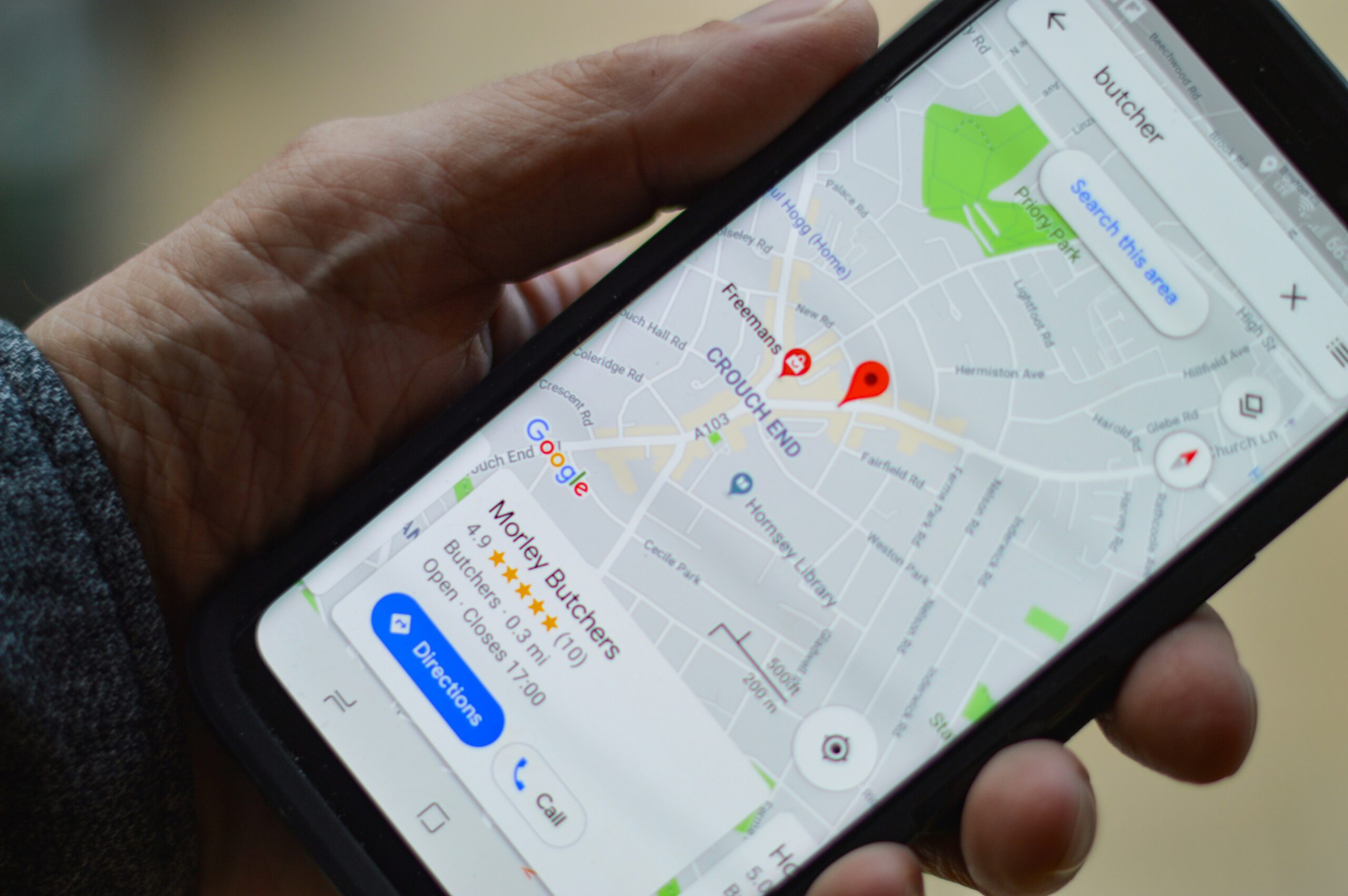
Google Maps ranking factors are the different signals that help Google decide which businesses to show for a local search. These searches might happen directly in Google Maps or in the local pack on Google Search.
Examples include searches such as accountant near me, dentist in Sandton, plumber Durban North, coffee shop open now or best electrician Pretoria. Google has to decide which businesses are the best match for that search at that moment.
The three core local ranking concepts are relevance, distance and prominence. These are not the only details that matter, but they give business owners a useful way to understand how local visibility works.
A strong local presence usually starts with Google Business Profile optimisation, because the profile gives Google much of the information it needs for Maps and local results.
Why Google Maps Rankings Are Different From Normal SEO Rankings
Normal SEO rankings usually focus on website pages. Google Maps rankings focus heavily on business profiles, locations, customer actions and local intent.
Your website still matters, but it is not the only asset involved. Google also looks at your Business Profile, category, address or service area, reviews, photos, opening hours, local relevance and signals from around the web.
That is why a business can have a decent website but still perform poorly on Maps. If the profile is incomplete, the category is wrong, reviews are weak, hours are outdated or the location signals are unclear, the website alone may not solve the problem.
We often see this with service businesses that have invested in a website but left their Google Business Profile almost untouched after setup. The profile exists, but it does not give Google or customers enough confidence.
Factor 1: Relevance
Relevance is about how well your business matches what the customer is searching for. If someone searches for emergency plumber, Google needs to understand whether your business actually offers that service.
Your category, services, business description, website content, reviews and profile information all help Google understand relevance. The clearer your business information is, the easier it is for Google to connect your profile with the right searches.
One of the most common mistakes we see is choosing a category based on what sounds broad rather than what accurately describes the business. A broad category can weaken relevance if it does not match the service people are actually searching for.
How To Improve Relevance
- Choose the most accurate primary business category.
- Add relevant secondary categories where they genuinely apply.
- Complete your services and product information.
- Use clear service descriptions written for customers, not just keywords.
- Make sure your website supports the same services and locations.
- Keep your business description practical and specific.
If the profile is unclear, Google has to work harder to understand what the business does. That can limit visibility for searches that should be relevant.
Factor 2: Distance
Distance is about how far your business is from the person searching, or from the location included in the search. If someone searches for a dentist in Cape Town, Google considers location. If they search near me, Google uses what it knows about their location.
Distance is one of the hardest factors to influence because you cannot optimise your way into being physically closer to every customer. A business in Pretoria cannot honestly become closer to a customer in Durban.
This is why realistic service areas matter. If a business serves customers across a large area, the profile should reflect that honestly, but adding huge service areas does not guarantee visibility everywhere.
How To Handle Distance Properly
- Use the correct business address if customers visit your premises.
- Hide the address if customers do not visit your location and the business is service-area based.
- Set service areas that reflect where you actually work.
- Create useful website content for important service areas where appropriate.
- Avoid pretending to operate from locations where you do not have a real presence.
For local businesses, distance is not something to fight with tricks. It is something to understand and support with accurate location information.
Factor 3: Prominence
Prominence is about how well-known, trusted or established a business appears to be. In simple terms, Google wants to understand whether a business is credible compared with other businesses that could match the search.
Prominence can be influenced by signals such as reviews, ratings, links, mentions, website strength, local reputation and how complete the business presence is online.
Prominence is where many competitors pull ahead. Two businesses may offer similar services in a similar area, but one has stronger reviews, better profile activity, clearer website support and more consistent online information.
If you want to understand that gap more deeply, it is worth reviewing why why competitors rank higher on Google Maps.
How To Improve Prominence
- Build a steady review process.
- Respond to reviews in a helpful, professional way.
- Earn mentions and links from relevant local or industry websites.
- Keep your website useful, clear and locally relevant.
- Add real photos and videos that show the business.
- Make sure your business details are consistent across important platforms.
Prominence is not built overnight. It usually improves through consistent, visible business activity and a profile that reflects that activity accurately.
Other Google Maps Ranking Factors That Matter
Relevance, distance and prominence are the main framework, but business owners still need to know which practical areas feed into those signals.
Business Profile Completeness
Incomplete profiles make it harder for Google and customers to understand the business. Missing hours, weak service descriptions, no photos or outdated contact details can all reduce trust.
Complete information does not guarantee rankings, but incomplete information often creates unnecessary friction.
Verification Status
A verified profile tells Google that the business has gone through an ownership or representation check. Without verification, the business may not be able to manage important profile details properly.
Verification is especially important for businesses that rely on Maps visibility because it supports trust and control over the listing.
Opening Hours And Availability
Opening hours help customers decide whether to contact or visit. Regular and special hours should be kept up to date, especially around public holidays, seasonal changes and business closures.
A customer who arrives at a closed business because the hours were wrong is unlikely to trust the listing next time.
Reviews And Review Responses
Reviews influence trust before a customer even clicks through to your website. Positive reviews and helpful replies can make the business stand out in local results.
Do not treat reviews as a ranking trick. Treat them as part of customer service. Ask consistently, respond properly and never offer incentives that could put the profile at risk.
Photos And Videos
Photos and videos help customers see what the business offers. For restaurants, retail stores, trades, practices and local service businesses, visuals can reduce uncertainty and make the listing feel active.
Real photos are usually more valuable than generic stock images because they show customers what they can actually expect.
Website Support
Your website helps Google understand your services, locations, expertise and credibility. If the website is thin, outdated or disconnected from the Business Profile, it may weaken the overall local picture.
Strong website content can support local relevance, especially when it clearly explains services, locations and customer problems.
What Does Not Directly Guarantee Better Google Maps Rankings?
Some actions can improve the quality of a profile, but they should not be misunderstood as ranking guarantees.
Be careful with claims that suggest rankings can be forced by:
- Adding keywords to the business name when they are not part of the real name
- Creating fake locations
- Buying reviews
- Posting random updates without a strategy
- Adding service areas that the business does not really cover
- Changing categories repeatedly without a reason
Google does not allow businesses to request or pay for better organic local rankings. Paid ads can appear in local results, but that is separate from organic Google Maps visibility.
If your profile is struggling, the better approach is to understand why your Google Business Profile is not ranking and fix the underlying issues.
Which Ranking Factors Should You Prioritise First?
Not every business needs to work on every factor at once. A practical order is usually best.
Start with:
- Accuracy: confirm the name, category, address, phone number, website and hours.
- Completeness: fill in services, descriptions, photos and business details.
- Trust: build reviews, respond properly and keep information consistent.
- Website support: make sure the website explains services and locations clearly.
- Ongoing optimisation: monitor performance, search terms and customer actions.
This approach is slower than chasing hacks, but it is much safer and more useful for long-term local visibility.
For a broader view of the ranking process, see how Google Business Profile rankings work.
How South African Businesses Should Think About Google Maps Ranking Factors
South African businesses often operate in practical conditions that need careful setup: home offices, shared offices, service areas, branch locations, industrial parks and mobile services.
A Durban plumber, a Cape Town accountant, a Johannesburg dentist and a Pretoria home-service business should not all be optimised in exactly the same way. The business model affects which signals matter most.
For example, a storefront needs accurate premises information and strong customer-facing photos. A service-area business needs careful address handling and realistic service areas. A professional practice may need clear practitioner and business profile boundaries.
The right optimisation depends on how the business actually serves customers. That is why copying a competitor’s profile structure without understanding the business can create problems.
How To Measure Whether Ranking Factors Are Improving
Ranking is only one part of the picture. A business should also monitor the customer actions that follow visibility.
Useful measurements include:
- Search terms that trigger the profile
- Profile views
- Calls
- Direction requests
- Website clicks
- Messages or bookings, where enabled
- Review growth and review quality
- Visibility across important local areas
Rank checks can be useful, but they can also be misleading because local results change based on the searcher’s location, wording, device and timing.
For a more practical improvement path, read about how to improve Google Business Profile rankings with a structured process.
FAQs
What are the main Google Maps ranking factors?
The main Google Maps ranking factors are relevance, distance and prominence. These help Google decide which local businesses best match a customer’s search.
Do reviews affect Google Maps rankings?
Reviews can support prominence and customer trust. Review quantity, quality, recency and helpful business replies can all contribute to how strong a profile appears.
Can I pay Google to rank higher on Maps?
You cannot pay Google for better organic Google Maps rankings. Google Ads can appear in local placements, but paid advertising is separate from organic local ranking.
Does distance matter for Google Maps SEO?
Yes. Google considers how far a business is from the searcher or searched location. This is why businesses should use accurate addresses and realistic service areas.
Does my website affect Google Maps rankings?
Your website can support local relevance and prominence by explaining services, locations and credibility. It is not the only factor, but it often helps the overall local SEO picture.
Is the business category important?
Yes. The primary category is one of the strongest relevance signals on a Google Business Profile. It should accurately describe what the business is.
How often should I work on Google Maps ranking factors?
Google Maps optimisation should be ongoing. Reviews, photos, hours, services, website content and performance data should be reviewed regularly, not only when rankings drop.
Conclusion
Google Maps ranking factors are best understood through relevance, distance and prominence. These factors help Google decide which businesses are most useful for a local search.
For South African businesses, the practical work is clear: keep information accurate, choose the right categories, build customer trust, respond to reviews, use real photos, support the profile with a useful website and avoid shortcuts that could damage the listing.
The strongest Google Maps SEO work is not about gaming the system. It is about making the business easier to understand, easier to trust and easier for the right local customers to choose.